
Service · Concrete sealing
Concrete sealing and densifying
Dust-proof, harden, and protect concrete floors, inside and out, for less than a full polish.
Systems
Densify, grind and seal, clear coats
Built for
Warehouses, retail, back of house, driveways
Serving
Austin and all of Texas
The short answer
Not every floor needs a full polish. Sealing gives you a clean, dust-free, protected slab for less, and it is the right call for a lot of warehouses, back-of-house spaces, and budgets.
Unsealed concrete dusts, stains, and soaks up spills. The right sealer stops that. Which one depends on traffic, spills, sunlight, and how much shine you want, so we match the system to the space instead of selling one product for everything.
Systems
Four ways to seal a slab
01
Densify and guard
What it is
A penetrating hardener soaks into the slab and reacts with it, followed by a stain guard.
Best for
Warehouses, distribution, shops, back of house
Why
Hardens the surface and stops concrete dusting, with nothing on top to peel.
02
Grind and seal
What it is
A light grind to clean and open the surface, then a clear topical sealer.
Best for
Retail, offices, venues, restaurants
Why
The look of finished concrete at a lower cost than polishing.
03
Clear coatings
What it is
A urethane or epoxy clear coat that builds a tougher, glossier film.
Best for
Kitchen corridors, service areas, stained floors
Why
Better stain and chemical resistance than a basic sealer.
04
Exterior sealers
What it is
Breathable penetrating repellents or UV-stable sealers made for sun and weather.
Best for
Driveways, patios, pool decks, walkways
Why
Repels water and stains without trapping moisture in the slab.
Sealed or polished?
Which one fits your floor
Sealed concrete
Polished concrete
Upfront cost
Lower
Higher
Look
Clean, low to medium sheen
Low to high gloss, the floor itself shines
What wears
The sealer on top, which needs recoating
Nothing on top; the surface is the slab
Upkeep
Clean, then recoat on a schedule
Clean, with periodic burnishing
Best when
Budget, back of house, exteriors
Long-term, high-traffic, public spaces
Not sure? We price both when either could work. See polished concrete.
How we do it
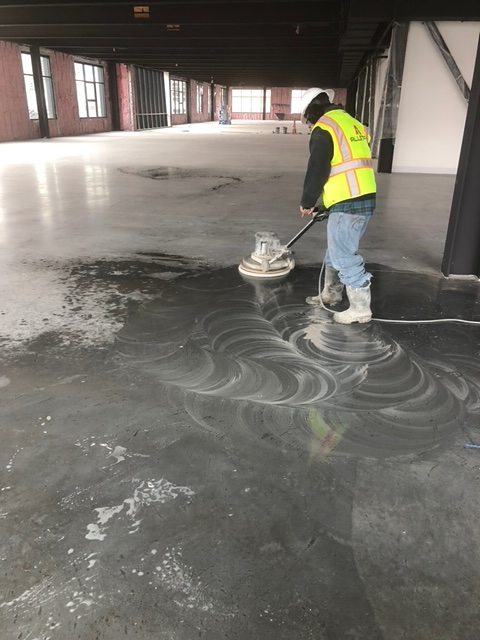
A sealer is only as good as the surface under it
Sealer over dirt, curing compound, or old coatings will not bond, and it will peel or haze. We clean or grind the slab first, fill cracks and joints where the spec calls for it, then apply the system at the coverage the manufacturer requires.
Clean or grind to bare, open concrete
Remove curing compounds and old sealers
Repair cracks and fill joints as specified
Apply at the manufacturer’s coverage rate
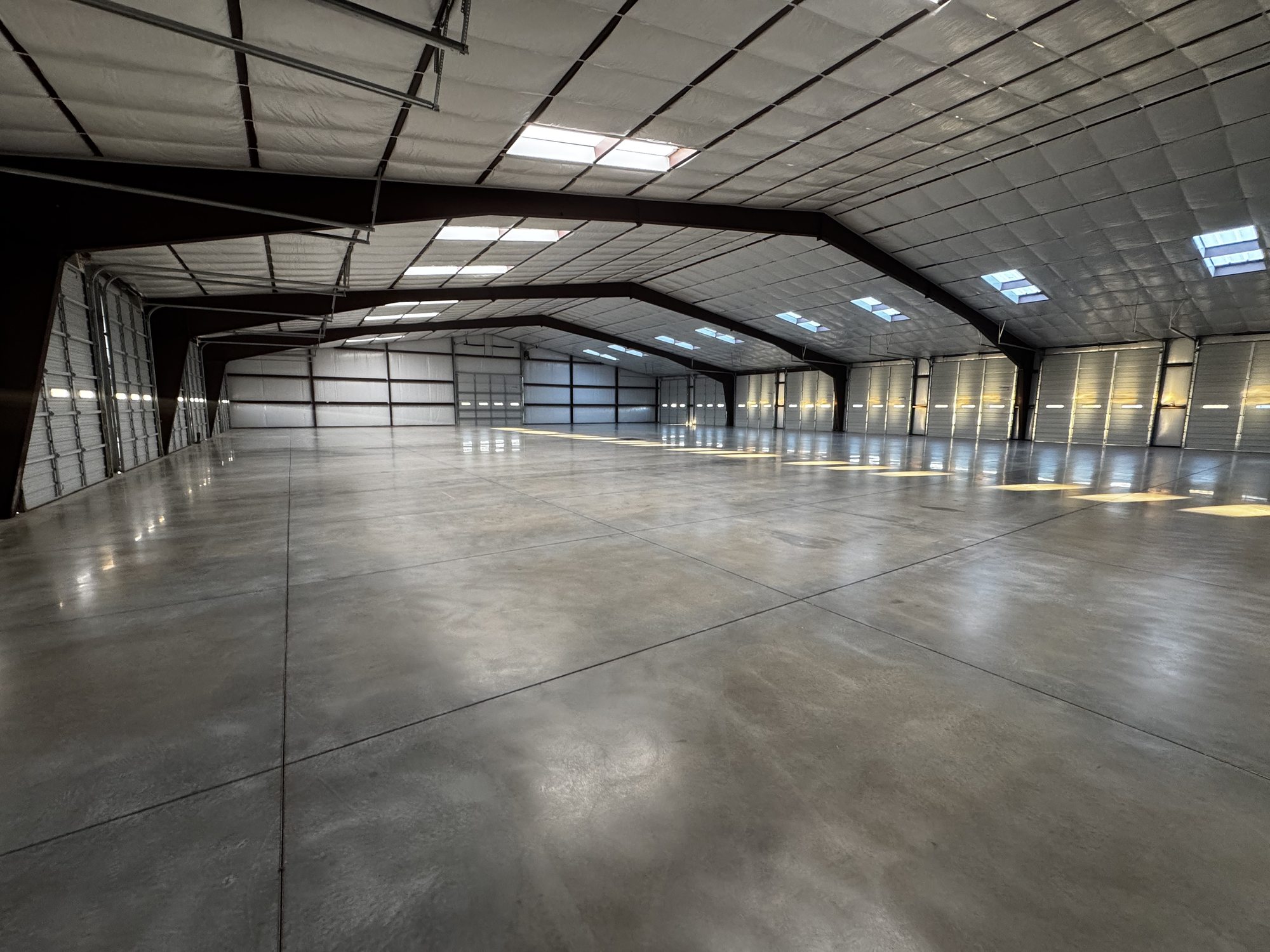
Sealed concrete, metal shop building
Recent work
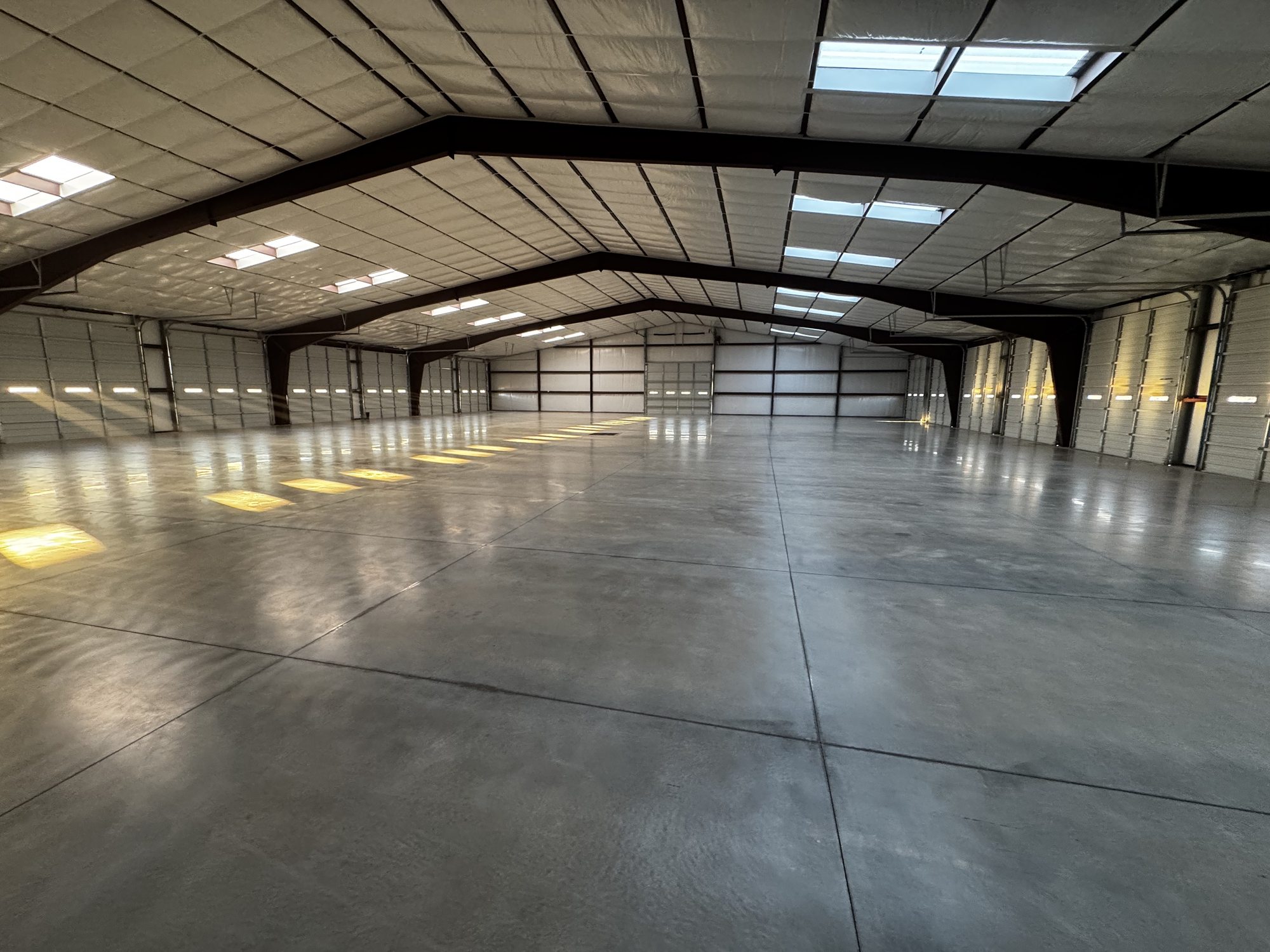
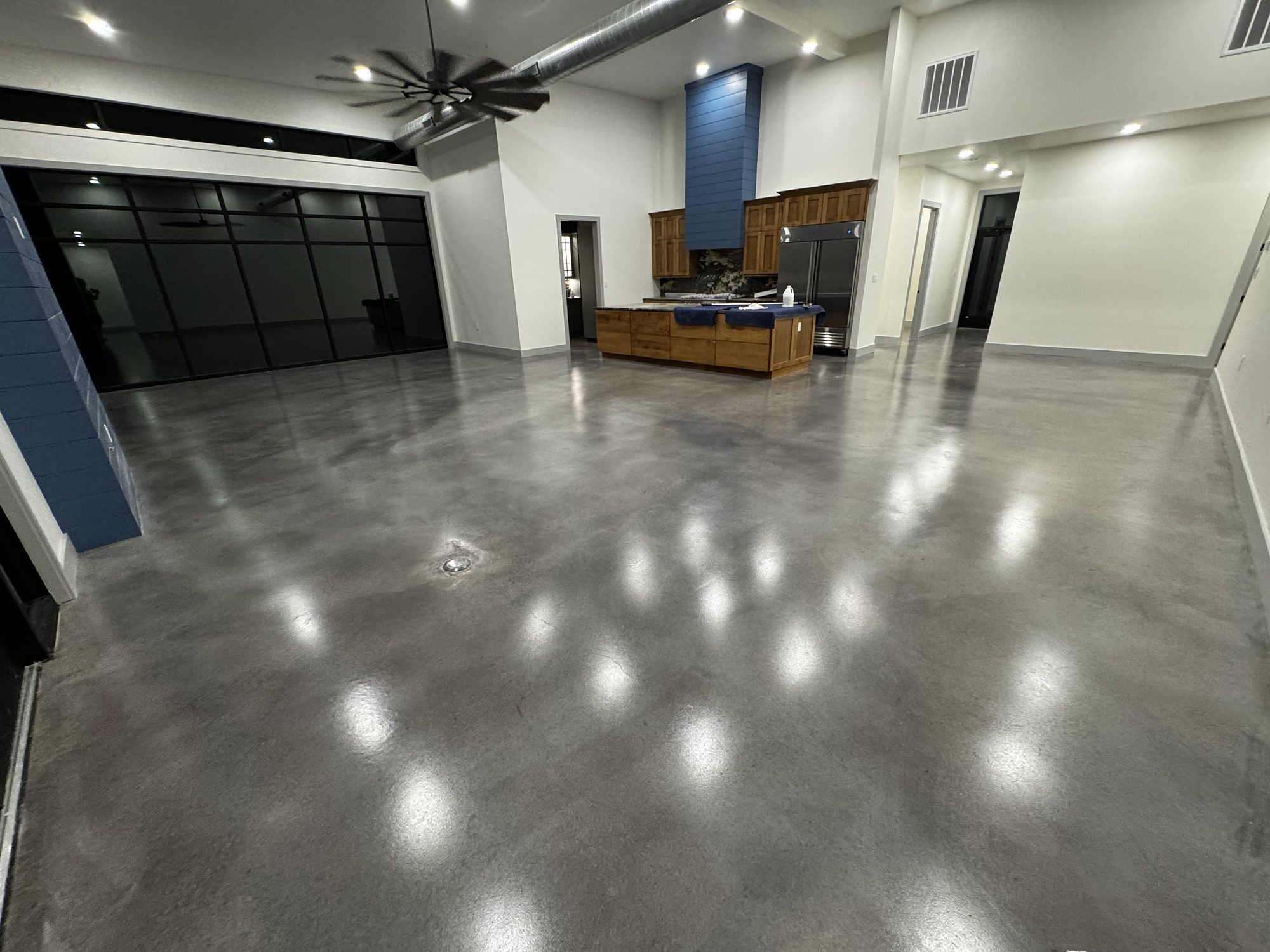
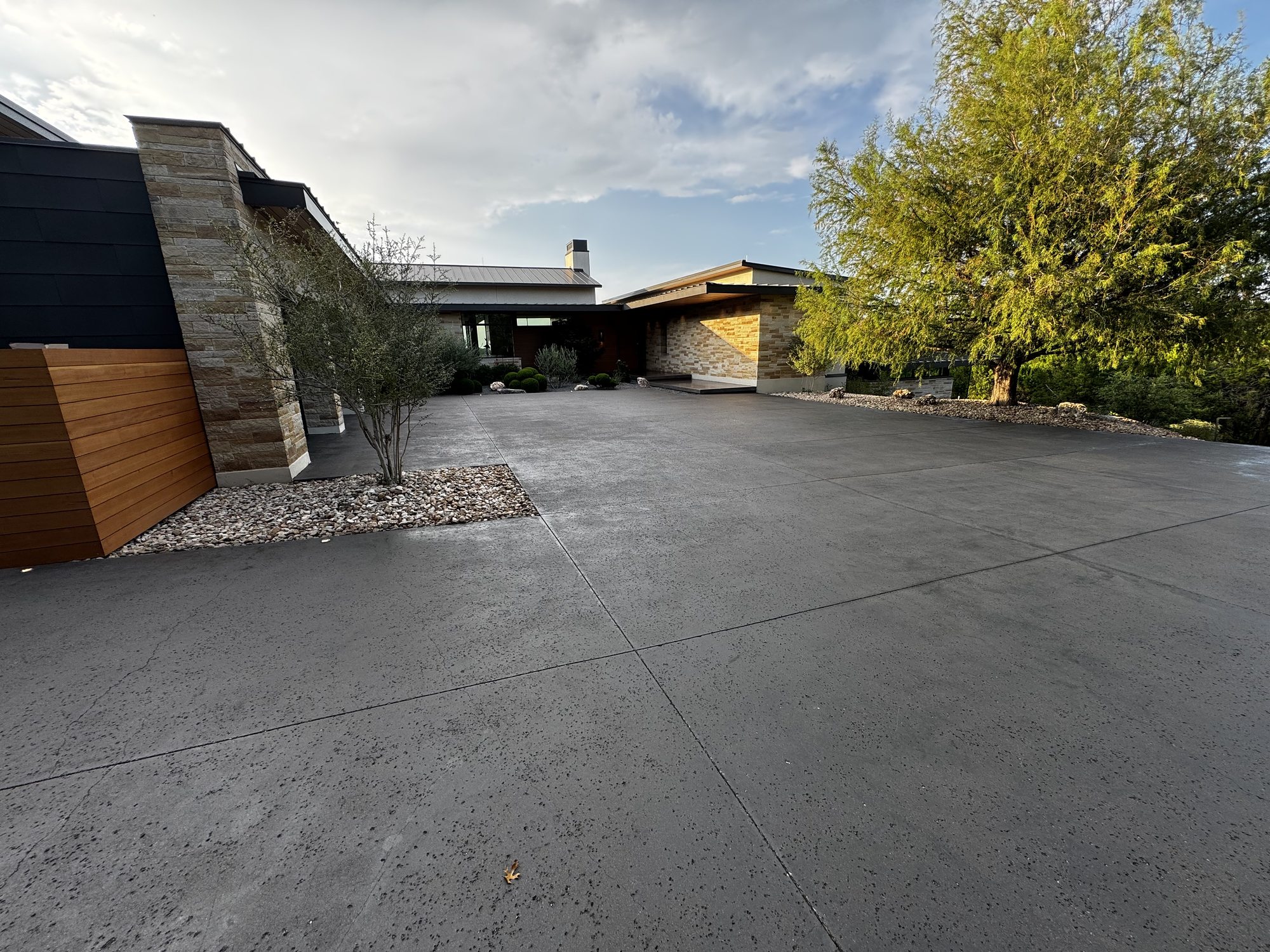
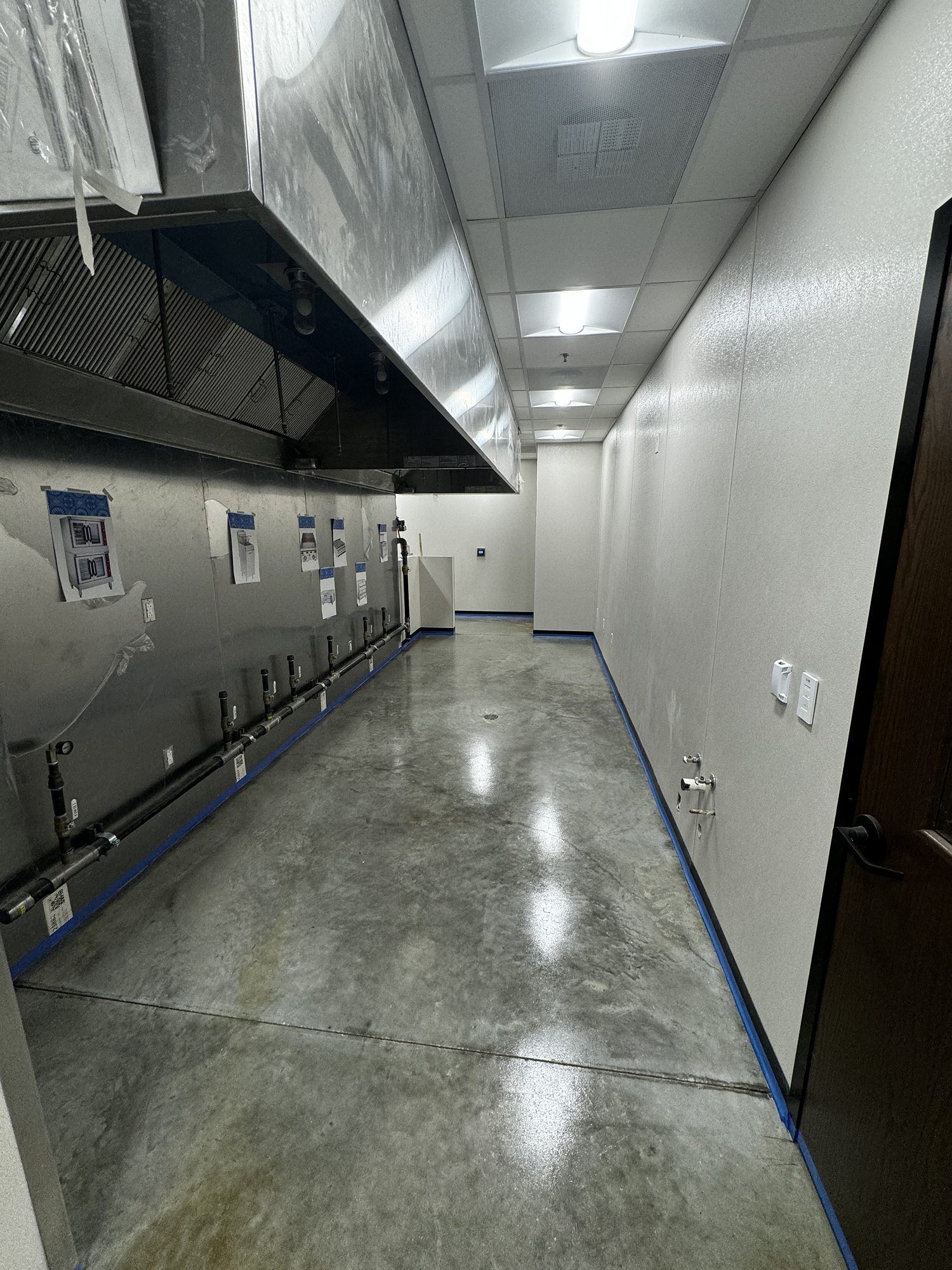
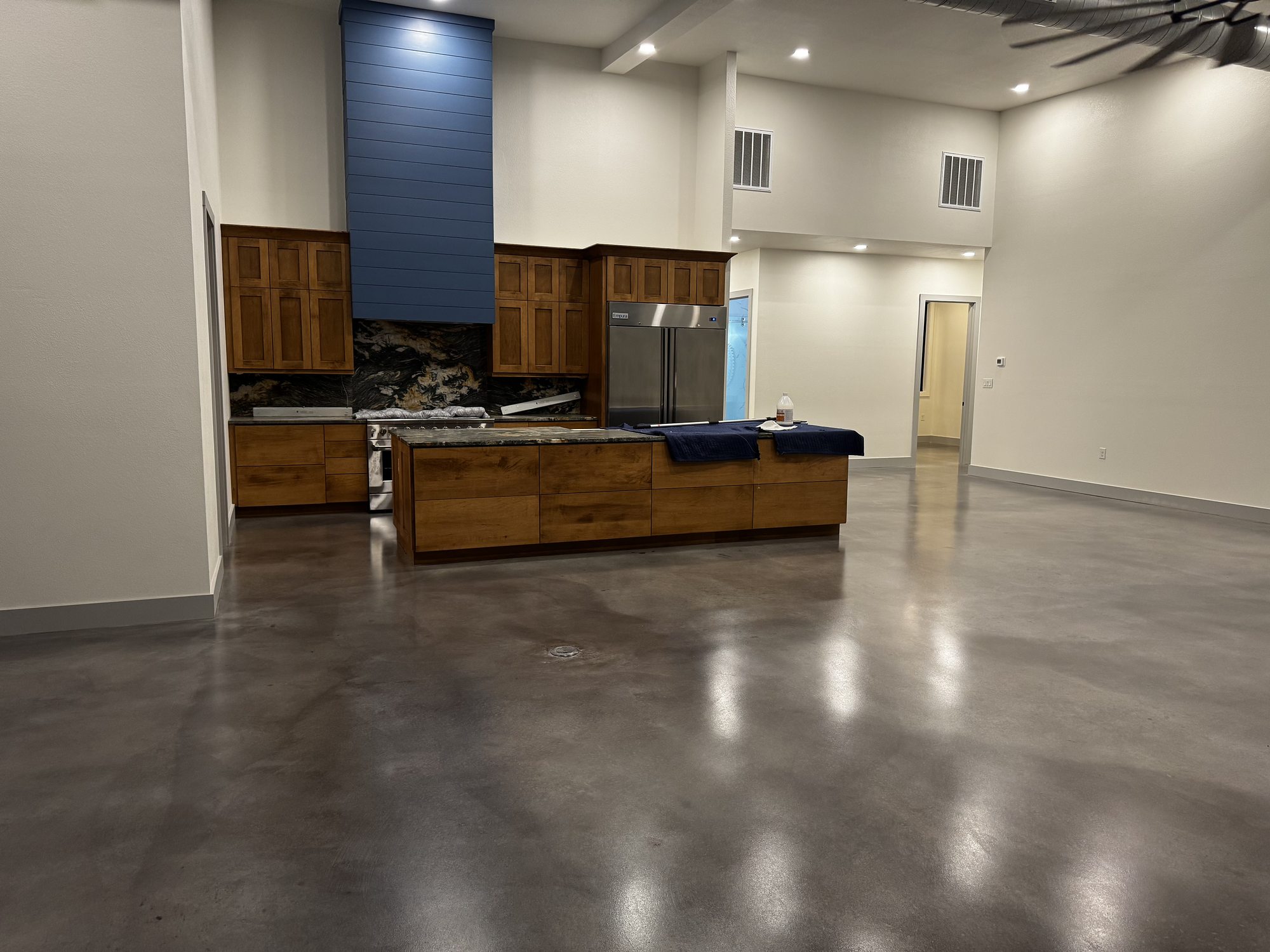
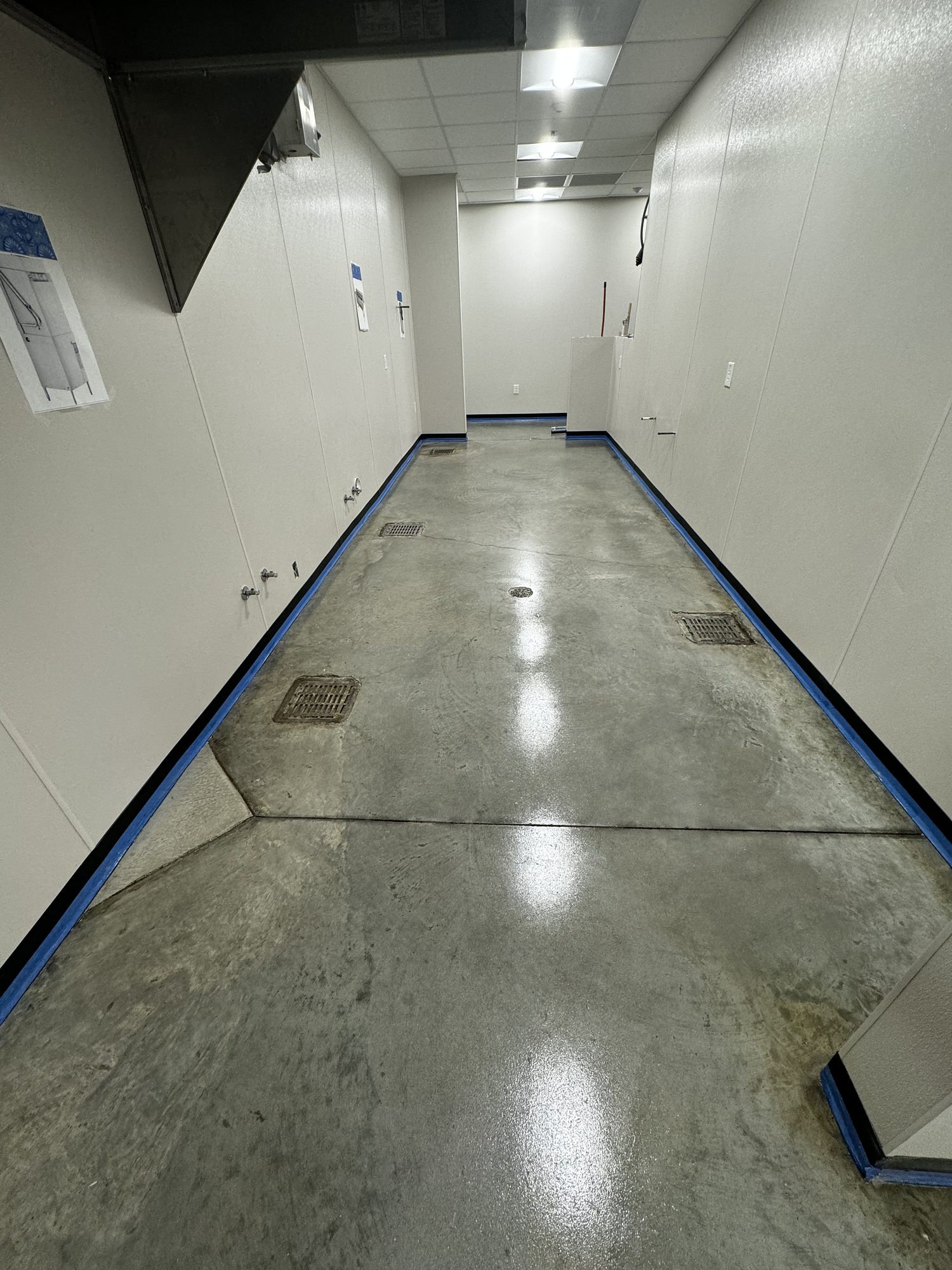
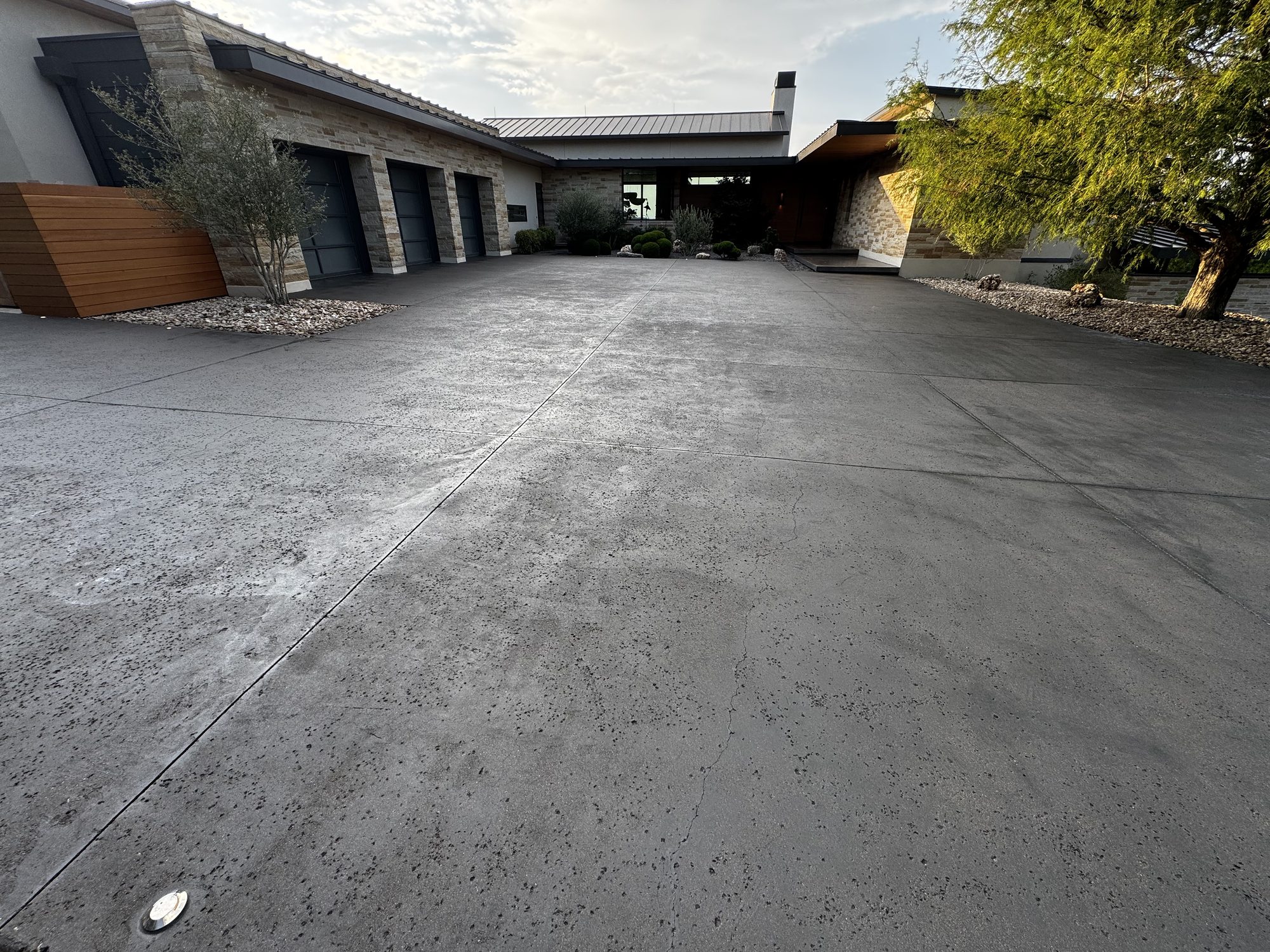
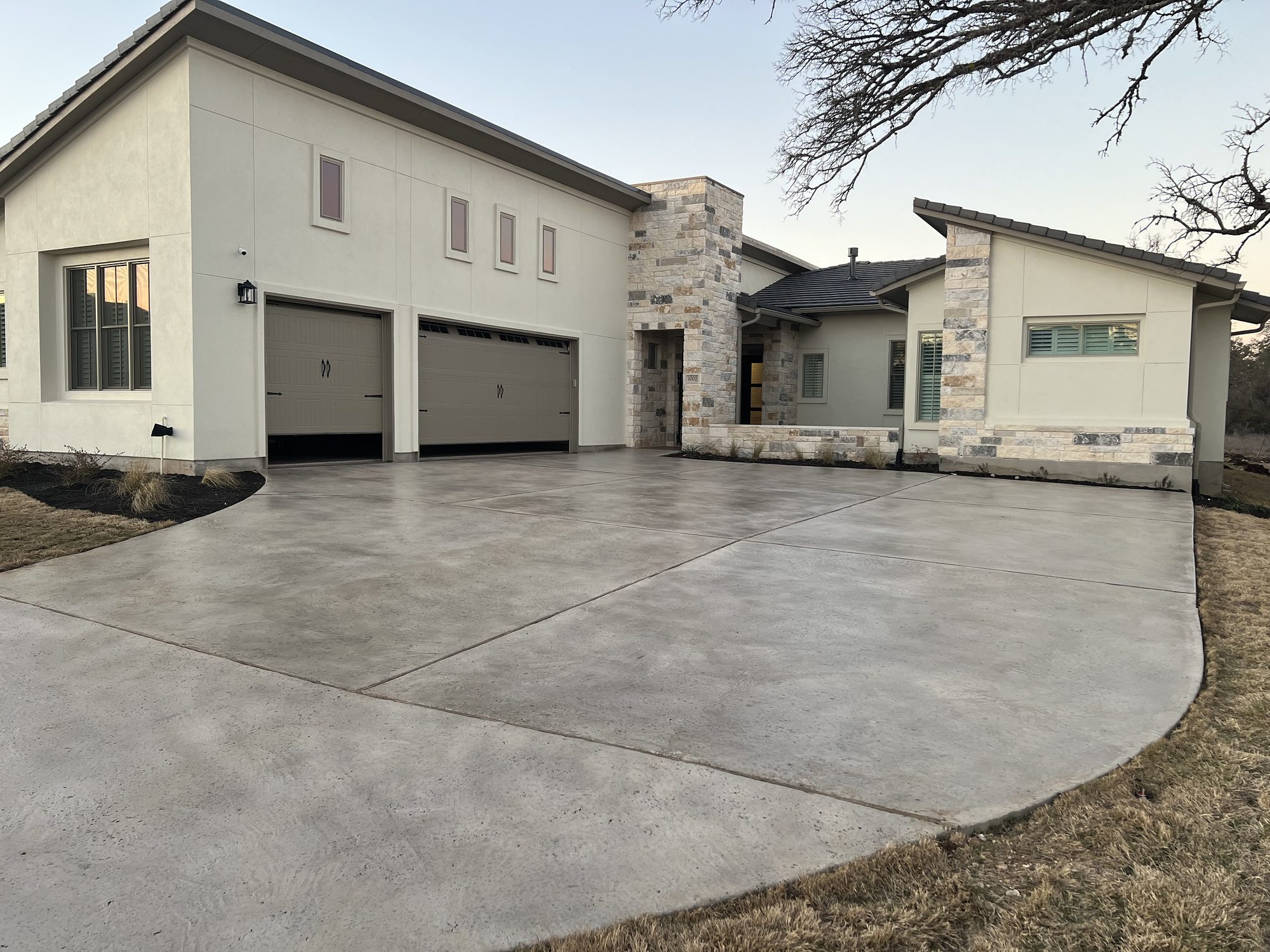
Shop buildings, homes, back-of-house spaces, and driveways.
Swipe or scroll →
Questions
How often does concrete need to be resealed?
It depends on the sealer and the traffic. Topical sealers wear in traffic lanes and need recoating on a schedule, while penetrating sealers and densifiers last much longer because nothing sits on top to wear off. We tell you what to expect for your system.
What is the difference between a densifier and a sealer?
A densifier soaks in and reacts with the concrete to harden it and stop dusting. A sealer protects the surface from stains and water. Many floors get both: densify to harden, then seal or guard to protect.
Will a sealer make the floor slippery?
A glossy topical sealer can be slippery when wet. In entries, ramps, and wet areas we add a slip-resistant additive or choose a penetrating system that keeps the natural texture.
Do stained floors need sealing?
Yes. Stain colors the concrete, and the sealer protects that color from wear, water, and spills.
Can you seal driveways and patios in the Texas sun?
Yes, with the right product. Exterior slabs need a breathable, UV-stable sealer so moisture can escape and the finish does not yellow or peel.
Need a slab sealed?
Send the plans and finish schedule, or the size and use of the space. We will recommend the right system and price it.